


Body massage is a therapeutic practice that involves manipulating the body’s soft tissues (including muscles, skin, tendons, and ligaments) using various techniques and varying degrees of pressure to enhance health and well-being. This age-old remedy has been used across cultures to relieve pain, reduce stress, and improve overall physical health. Here’s a closer look at the different types of body massages, their benefits, and what you can typically expect during a session.
Types of Body Massages
- Swedish Massage: One of the most common and gentle forms of massage, Swedish massage involves long, soft, kneading strokes, as well as light, rhythmic, tapping strokes, on the topmost layers of muscles. This is also combined with movement of the joints. It’s primarily used to promote relaxation and improve blood circulation.
- Deep Tissue Massage: This technique uses slower, more forceful strokes to target deeper layers of muscle and connective tissue, commonly to help with muscle damage from injuries. It is especially beneficial for chronic aches and pain along with areas such as stiff neck and upper back, low back pain, leg muscle tightness, and sore shoulders.
- Sports Massage: Designed specifically for athletes, sports massage is used to prevent and treat injuries, improve flexibility, and enhance athletic performance. It involves applying techniques that are similar to Swedish and deep tissue massage but tailored to deal with the effects of athletic performance on the body and the needs of athletes regarding training, performing, and recovery from injury.
- Reflexology: Focused mainly on points on the feet, hands, and ears, reflexology is often used to relieve stress and pain through different body organs and areas. It is based on the premise that these points correspond to different body organs and systems, and that pressing them has a beneficial effect on the organs and person’s overall health.
- Shiatsu Massage: A form of Japanese bodywork, Shiatsu involves localized pressure using the therapist’s fingers (or sometimes hands and elbows), applied in a rhythmic sequence along the body. Each point is held for about two to eight seconds to improve the flow of energy and help the body regain balance.
Benefits of Body Massage
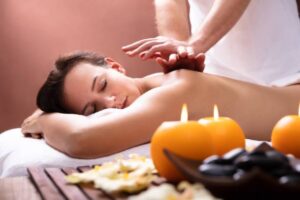
- Stress Relief: Massage is renowned for its ability to reduce stress and enhance relaxation.
- Pain Management: It can reduce pain caused by physical strain, overuse injuries, and chronic health conditions.
- Improved Circulation: The pressure created by the massage technique can move blood through congested areas, which leads to new blood flowing in, resulting in improved body function.
- Increased Flexibility: Massage can stimulate the production of the body’s natural lubricants to keep flexibility at a maximum.
- Better Sleep: The effects of relaxation and tension release improve sleep quality.
- Enhanced Immunity: Stimulating the lymphatic system can increase immunity and the removal of toxins from the body.
- Emotional Relief: The intimate touch of a professional therapist can also have therapeutic effects on one’s psychological and emotional wellbeing.
What to Expect During a Massage Session
When you arrive for a massage, you will typically begin by filling out a form that includes questions about your personal health history. During your session, you’ll be asked to undress (to your level of comfort) and lie on a massage table under a sheet or towel. It’s important to communicate with your massage therapist about the level of pressure you prefer or any pain you are experiencing. The session usually lasts from 30 to 90 minutes, depending on the type of massage and how much time you have.
Remember, the effectiveness of a massage largely depends on the skill of the therapist and your openness during the session. Whether you’re looking to relieve stress, reduce pain, or simply indulge in some much-needed relaxation, body massage offers a therapeutic and rejuvenating experience.
